Ad Suitability YouTube (1 Mistake = Sawdust!)
We’re seeing more and more brands demanding safer ad placements.
They’re tired of their ads showing up next to questionable content.
And honestly, who can blame them?
According to a recent report by Integral Ad Science, brand safety concerns increased by 15% in the last year alone.
That’s a big deal!
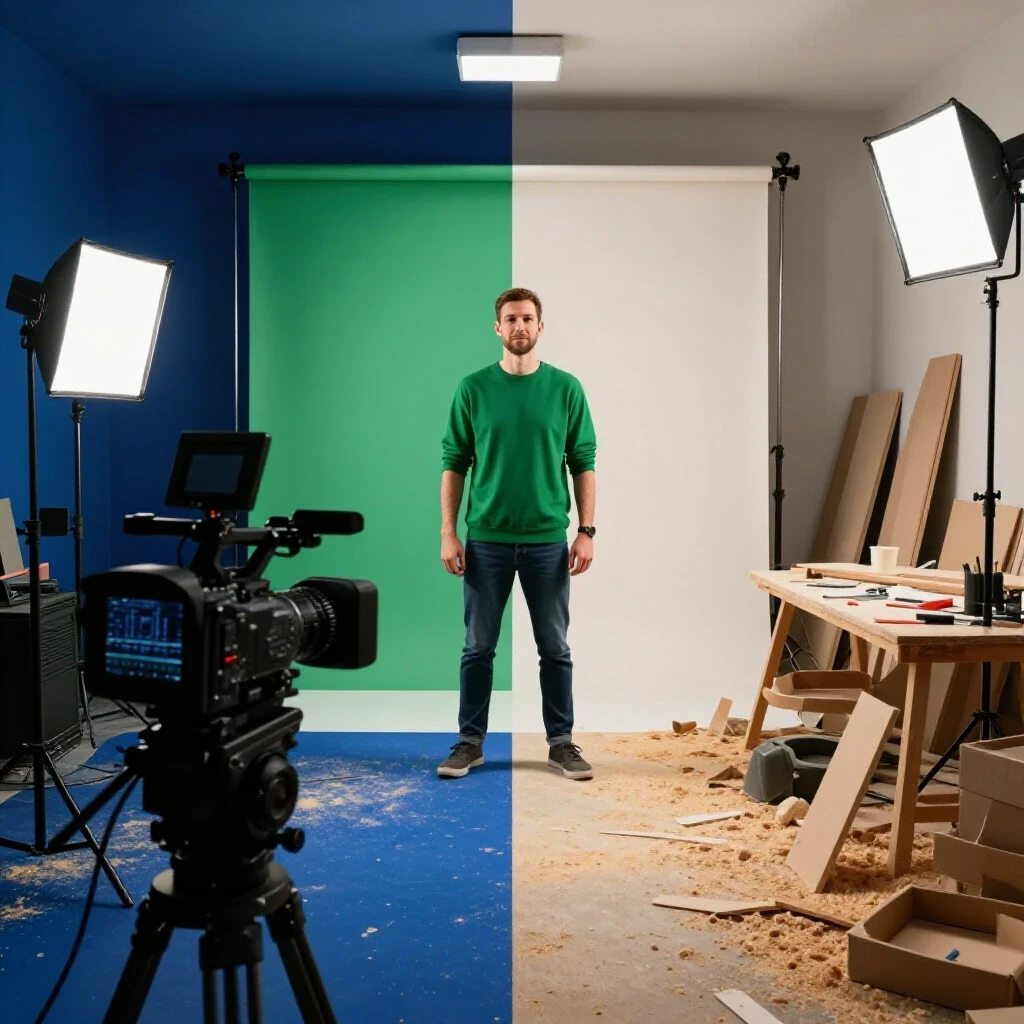
Think of it this way: “1 Mistake = Sawdust!” One wrong move with ad suitability, and all your hard work – the hours you’ve poured into creating awesome content, building your community – can turn to dust.
It’s a harsh reality, but it’s one we need to face head-on as we approach 2025.
In this article, I’m going to break down everything you need to know about ad suitability on YouTube.
We’ll cover:
- What ad suitability really means and why it matters.
- The current state of YouTube advertising and how it affects you.
- The most common mistakes creators make that lead to demonetization (the “sawdust”!).
- What the future holds for ad suitability in 2025.
- And most importantly, what you can do to protect your channel and keep those ad dollars rolling in.
Ready to dive in? Let’s get started!
Section 1: Understanding Ad Suitability on YouTube
Okay, so what is ad suitability, anyway?
Simply put, it’s about making sure the content your ads appear on is safe and appropriate for advertisers.
YouTube wants to create a platform where brands feel comfortable spending their money, and that means ensuring their ads aren’t associated with anything that could damage their reputation.
YouTube has some pretty specific policies and guidelines about what’s considered suitable content.
I’m talking about things like:
- Hate speech: Obviously, anything promoting violence or discrimination is a no-go.
- Violent content: Graphic depictions of violence or injury are off-limits.
- Sexually suggestive content: Anything that’s sexually explicit or exploits children is a big red flag.
- Controversial topics: Sensitive topics like politics, religion, and tragedies can be tricky, especially if they’re handled in a way that’s insensitive or exploitative.
You can find the full list of YouTube’s AdSense Program policies here.
Give it a read!
It’s your guidebook to avoid any ad suitability issues.
But it’s not just about avoiding the obvious stuff.
Ad suitability is also about aligning your brand values with your content.
If you’re a family-friendly channel, you probably don’t want ads for alcohol or gambling appearing on your videos.
For content creators, ad suitability is crucial because it directly impacts your revenue.
If your content is deemed unsuitable, you could get demonetized, meaning you won’t be able to earn money from ads.
For brands, it’s about protecting their reputation and ensuring their ads are reaching the right audience.
No brand wants to be associated with content that could offend or alienate their customers.
Section 2: The Current Landscape of YouTube Advertising
Let’s take a look at where things stand in 2023.
YouTube advertising is a massive industry, with billions of dollars being spent every year.
According to Statista, YouTube’s advertising revenue reached almost 30 billion U.S.
dollars in 2022. That’s a huge pie, and we all want a piece of it.
We’re seeing a few key trends right now:
- More creators than ever: The barrier to entry for creating content is lower than ever, which means more competition for ad dollars.
- Shorter attention spans: Viewers are demanding shorter, more engaging content, which means you need to hook them quickly.
- Increased focus on authenticity: Viewers are more likely to trust creators who are genuine and transparent.
I’ve seen countless examples of both successful and unsuccessful ad placements.
One that sticks out is the case of PewDiePie a few years back.
Some of his content was deemed offensive, leading to several brands pulling their ads from his channel.
It was a huge blow to his revenue and reputation.
On the flip side, I’ve also seen brands partner with creators who perfectly align with their values, resulting in highly successful campaigns.
For example, a fitness brand might partner with a popular workout YouTuber to promote their products.
It’s a win-win situation for everyone involved.
YouTube’s algorithm changes are another factor to consider.
Every time YouTube tweaks its algorithm, it can impact ad suitability and creator revenue.
For instance, a recent update prioritized “family-friendly” content, which meant that some creators who weren’t explicitly creating content for children saw a drop in their ad revenue.
Section 3: Common Pitfalls in Ad Suitability
Alright, let’s get down to the nitty-gritty.
What are the most common mistakes creators make that lead to demonetization?
Here are three big ones I see all the time:
Mistake 1: Ignoring Channel Identity and Audience Expectations.
This is huge!
You need to know who your audience is and what they expect from you.
If you’ve built a channel around wholesome family content, you can’t suddenly start posting edgy or controversial videos without alienating your audience and scaring away advertisers.
I once saw a creator who ran a popular cooking channel suddenly start posting videos about conspiracy theories.
It was a complete mismatch with their existing content, and their audience was not happy.
They lost subscribers and saw a significant drop in their ad revenue.
Mistake 2: Failing to Review Content Before Monetization.
This is just plain lazy.
Before you hit that “monetize” button, take the time to watch your video and ask yourself: “Would I be comfortable seeing my brand’s ad next to this content?” If the answer is no, then don’t monetize it!
I know it’s tempting to monetize everything you create, but it’s not worth the risk.
A few extra dollars in the short term could cost you a lot more in the long run.
Mistake 3: Overlooking Community Guidelines and Ad Policies.
YouTube’s community guidelines and ad policies are your bible.
You need to know them inside and out.
Don’t just skim them – read them carefully and make sure you understand them.
I’ve seen creators get demonetized for violating seemingly minor policies, like using copyrighted music or showing excessive skin.
It’s not worth the risk!
These mistakes all lead to the same result: “sawdust.” Wasted time, wasted effort, and wasted opportunities.
Section 4: Predictions for Ad Suitability in 2025
So, what does the future hold for ad suitability on YouTube?
I think we’re going to see some pretty significant changes in the next few years.
For starters, I expect to see even stricter regulations and standards for digital advertising.
Governments and industry groups are already cracking down on things like fake news and harmful content, and that trend is only going to continue.
Emerging technologies like AI and machine learning will play a bigger role in ad placement and suitability assessment.
YouTube is already using AI to detect and remove inappropriate content, and I think we’ll see even more sophisticated systems in the future.
These systems will be able to analyze content in real-time and flag anything that might be unsuitable for advertisers.
I also think we’ll see a shift in the relationship between content creators and brands.
Brands will be more selective about who they partner with, and they’ll be looking for creators who have a proven track record of creating safe and engaging content.
We might even see more collaborative efforts between creators and brands, with creators working closely with advertisers to ensure their content is a good fit.
Section 5: The Role of Creators in Ensuring Ad Suitability
Okay, so what can you do to protect your channel and ensure ad suitability?
Here are a few strategies I recommend:
- Be transparent with your audience: Let your viewers know what kind of content you create and what they can expect from you.
This will help you build trust and avoid any surprises. - Engage with your community: Pay attention to what your viewers are saying and respond to their comments and feedback.
This will help you understand their expectations and address any concerns they might have. - Proactively review your content: Before you upload a video, take the time to watch it carefully and ask yourself if it’s appropriate for advertisers.
If you’re not sure, err on the side of caution and don’t monetize it. - Build a trustworthy brand image: Your brand is your most valuable asset.
Invest in building a brand that’s known for quality, integrity, and authenticity.
This will make you more attractive to advertisers and help you build long-term partnerships.
Remember, maintaining ad suitability is not just about avoiding the obvious pitfalls.
It’s about building a channel that’s aligned with your values and that resonates with your audience.
It’s about creating content that’s both engaging and responsible.
Conclusion
Ad suitability on YouTube is a critical issue for both content creators and brands.
As we approach 2025, it’s more important than ever to understand the policies, guidelines, and best practices that govern ad placements.
Remember, “1 Mistake = Sawdust!” One wrong move can lead to demonetization, damage to your brand reputation, and wasted opportunities.
The future of YouTube advertising is bright, but it’s up to all of us – creators and brands alike – to navigate this evolving landscape successfully.
By working together, we can create a platform that’s both profitable and responsible.
So, keep creating awesome content, stay informed about ad suitability policies, and build a brand that you can be proud of.
Good luck, and I’ll see you on YouTube!