Can I Use Artist Music on YouTube? (5 Rights Check!)
The Problem of Copyright on YouTube
Copyright laws exist to protect artists and their creations.
Think of it as a shield, ensuring they get credit and compensation for their work.
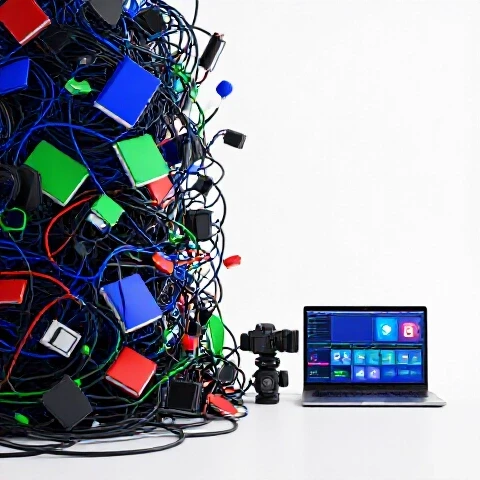
But for us content creators, it can feel like a minefield.
Overview of Copyright Laws
Copyright basically gives the creator of an original work exclusive rights to control how that work is used.
This includes things like:
- Reproduction: Making copies.
- Distribution: Sharing copies with the public.
- Public Performance: Playing the work in public.
- Derivative Works: Creating new works based on the original.
These rights are automatically granted the moment an original work is created and fixed in a tangible form (like a song recorded in a studio).

The Impact on Content Creators
As YouTubers, we’re often incorporating music to enhance our videos.
A catchy tune can really elevate the viewing experience.
However, using copyrighted music without permission can lead to some serious problems:
- Copyright Strikes: These can lead to your video being taken down and repeated strikes can even terminate your channel.
- Content ID Claims: These allow the copyright holder to monetize your video, meaning you won’t earn any ad revenue.
- Legal Action: In extreme cases, you could even face a lawsuit.
Real-Life Examples
I remember when a friend of mine, a gaming YouTuber, used a popular song in his montage video.
Within hours, he received a Content ID claim, and all the ad revenue went to the copyright holder.
He was gutted!
Another creator I know used a short clip of a song in the background of a vlog.
Even though it was just a few seconds, he still got a copyright strike.
It’s a harsh reminder that even small amounts of copyrighted music can cause trouble.
Understanding Music Licensing
Okay, so how do we legally use music in our videos?
That’s where music licensing comes in.
Types of Music Licenses
There are several types of music licenses, and understanding them is crucial:
- Mechanical License: This allows you to reproduce and distribute a song in audio form.
- Performance License: This covers the right to publicly perform a song.
- Synchronization License: This grants you the right to use a song in a visual work, like a video.
This is the most relevant one for YouTube creators.
Securing these licenses can be complex and expensive, especially for popular songs.
You typically need to contact the copyright holder (usually the record label or publisher) and negotiate a fee.
Royalty-Free vs. Copyrighted Music
This is where things get interesting!
Royalty-free music is music that you can use without paying royalties each time your video is played.
You usually pay a one-time fee for a license that allows you to use the music in multiple videos.
However, “royalty-free” doesn’t always mean “copyright-free.” The composer still owns the copyright, but they’ve granted you a license to use the music without ongoing royalty payments.
Copyrighted music, on the other hand, requires you to obtain the necessary licenses and potentially pay royalties each time your video is played.
The Role of Music Libraries
Music libraries are a fantastic resource for YouTube creators.
These libraries offer a wide selection of royalty-free music that you can use in your videos.
Some popular options include:
- Epidemic Sound: Offers a subscription-based model with a vast library of high-quality music.
- Artlist: Similar to Epidemic Sound, with a focus on cinematic and emotional music.
- YouTube Audio Library: A free library of music and sound effects provided by YouTube itself.
Using music libraries can save you a ton of time and hassle compared to obtaining licenses for individual songs.
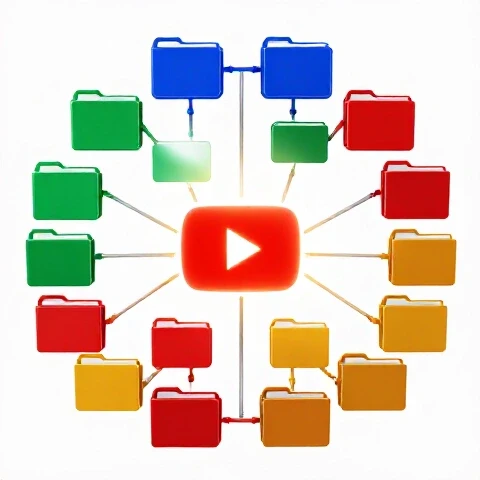
The 5 Rights Check for Using Artist Music on YouTube
Alright, let’s break down the 5 key rights you need to consider before using any artist’s music on YouTube.
1. The Right of Reproduction
This right gives the copyright holder the exclusive ability to make copies of their work.
So, if you download a song from a streaming service and use it in your video, you’re technically infringing on this right.
Even if you’ve purchased the song, that doesn’t give you the right to reproduce it in a video.
2. The Right of Distribution
This right allows the copyright holder to control how their work is distributed to the public.
When you upload a video to YouTube containing copyrighted music, you’re essentially distributing that music to millions of viewers.
Without permission, this is a copyright infringement.
3. The Right of Public Performance
This right covers the performance of a song in a public setting.
YouTube is considered a public platform, so playing copyrighted music in your videos falls under this right.
Even if you’re not charging viewers to watch your video, it’s still considered a public performance.
4. The Right of Derivative Works
This right gives the copyright holder the exclusive ability to create new works based on their original work.
Remixes, mashups, and even using samples of a song can be considered derivative works.
Creating these without permission can land you in legal hot water.
5. The Right of Attribution
While not always a legal requirement, giving credit to the artist is crucial.
Even if you have the necessary licenses, it’s good practice to credit the artist in your video description.
This shows respect for their work and can help you build a positive relationship with the music community.
The YouTube Content ID System
Now, let’s talk about the system that’s constantly scanning our videos for copyrighted material: YouTube’s Content ID.
Overview of Content ID
Content ID is a sophisticated system that uses audio fingerprinting technology to identify copyrighted content in YouTube videos.
When you upload a video, Content ID scans it against a database of copyrighted works.
If a match is found, a Content ID claim is issued.
How It Affects Monetization
A Content ID claim can have a significant impact on your ability to monetize your videos.
In most cases, the copyright holder will choose to monetize your video, meaning they’ll receive all the ad revenue.
In some cases, they may choose to block your video altogether.
Navigating Content ID Claims
If you receive a Content ID claim, don’t panic! You have several options:
- Acknowledge the claim: If the claim is valid, you can simply acknowledge it and allow the copyright holder to monetize your video.
- Dispute the claim: If you believe the claim is invalid (e.g., you have the necessary licenses or the use qualifies as fair use), you can dispute it.
- Remove the copyrighted content: You can edit your video to remove the copyrighted music and then resubmit it.
Disputing a claim can be a lengthy process, and the copyright holder has the final say.
Be prepared to provide evidence to support your claim.
Future Trends in Music Rights for YouTube Creators (2025 and Beyond)
Looking ahead to 2025 and beyond, the landscape of music rights for YouTube creators is likely to evolve significantly.
Predicted Changes in Copyright Law
Copyright laws are constantly being updated to reflect the changing digital landscape.
By 2025, we may see:
- More flexible licensing options: Easier and more affordable ways to obtain licenses for music.
- Increased enforcement of copyright laws: More sophisticated tools for detecting and preventing copyright infringement.
- Greater emphasis on fair use: Clearer guidelines for what constitutes fair use of copyrighted material.
Emergence of New Licensing Models
New licensing models are already emerging, and we can expect to see more innovation in this area:
- Subscription-based licensing: Similar to music libraries, but with a wider range of options and features.
- Blockchain-based licensing: Using blockchain technology to track and manage music rights, making it easier for creators to obtain licenses.
- AI-powered licensing: Using AI to analyze music and automatically generate licenses based on usage.
Technological Advancements
Technology is also playing a major role in shaping the future of music rights:
- AI-generated music: AI is now capable of creating original music, which could offer a completely copyright-free option for creators.
- Improved Content ID technology: More accurate and efficient systems for detecting copyrighted material.
- Tools for identifying and tracking music usage: Software that can automatically identify copyrighted music in videos and track its usage.
Conclusion: Finding Balance in a Complex Landscape
So, where does this leave us?
As we’ve seen, using artist music on YouTube is a complex issue with no easy answers.
While music can dramatically enhance our content, the legal landscape is fraught with challenges.
The key takeaway is this: understanding your rights is paramount. Before you use any artist’s music in your videos, take the time to research the copyright status and obtain the necessary licenses.
As the digital landscape continues to evolve, it’s crucial to stay informed and proactive.
Keep an eye on changes in copyright law, explore new licensing models, and embrace technological advancements that can help you navigate the complexities of music rights.
By finding a balance between creative expression and legal compliance, we can all continue to create amazing content on YouTube without the fear of copyright strikes.
Happy creating!