Can I Use Other YouTube Videos? (4-Nail Nightmare!)
Hold up, fellow YouTubers!
Before you even think about snagging that viral clip from another channel for your next video, listen up.
Ignoring the rules of copyright on YouTube is like playing Russian roulette with your channel.
One wrong move, and bam! You could face copyright strikes, demonetization, or even a full-blown channel termination.
Trust me, that’s a four-nail nightmare you definitely want to avoid.
I’m talking about the kind of stress that makes you bite all your nails down to the quick – and then start on your toes.
In 2025, YouTube is more competitive than ever.
Everyone’s vying for views, but the landscape of content ownership is a minefield.
The rules are constantly evolving, and what was acceptable last year might get you flagged today.
That’s why I’ve put together this guide – to help you navigate the murky waters of using other people’s YouTube videos without landing in hot water.
Consider me your friendly neighborhood copyright guru, here to keep your channel safe and thriving.

The Basics of Copyright Law: It’s Not Just a Suggestion!
So, what exactly is copyright?
In simple terms, copyright is a legal right granted to the creator of original works, including videos, music, writing, and art.
This right gives the creator exclusive control over how their work is used, copied, and distributed.
Think of it as an invisible fence around their creative property.
Why is copyright important?
Well, it’s the backbone of the creative industries.
It protects artists and creators, encouraging them to invest time and resources into producing new and exciting content.
Without copyright, there would be little incentive to create, as anyone could simply steal and profit from someone else’s hard work.
Now, how does copyright apply to YouTube videos specifically?
When you upload a video to YouTube, you’re automatically protected by copyright law.
This means that no one can legally download, re-upload, or use your video without your permission.
Similarly, you can’t just grab someone else’s video and use it in your own without risking legal trouble.
But wait, there’s a glimmer of hope!
Enter the concept of fair use.
Fair use is a legal doctrine that allows limited use of copyrighted material without permission from the copyright holder.
However, it’s not a free pass.
Fair use is a tricky beast, and its application depends on a four-factor test:
- The purpose and character of the use: Is your use transformative?
Are you adding new meaning or expression to the original work, or are you simply copying it? - The nature of the copyrighted work: Is the original work factual or creative?
Using factual works is generally more likely to be considered fair use. - The amount and substantiality of the portion used: How much of the original work are you using?
Using a small portion is more likely to be considered fair use than using the entire work. - The effect of the use upon the potential market for or value of the copyrighted work: Does your use harm the copyright holder’s ability to profit from their work?
Let me give you an example.
Let’s say you’re creating a video essay analyzing the special effects in a popular movie.
Using short clips from the movie to illustrate your points might be considered fair use, as your use is transformative, educational, and doesn’t significantly impact the movie’s market value.
However, re-uploading the entire movie to your channel is definitely not fair use.
Remember, fair use is a defense, not a right.
This means that if you’re sued for copyright infringement, you’ll have to prove that your use qualifies as fair use in court.
It’s a legal gray area, so it’s always best to err on the side of caution.
YouTube’s Policies and Guidelines: The Rulebook You Can’t Ignore
YouTube has its own set of policies and guidelines regarding content usage, and they’re even stricter than copyright law in some cases.
Ignoring these policies is a surefire way to get your channel into trouble.
One of the most important things to understand is YouTube’s Content ID system.
Content ID is a digital fingerprinting system that allows copyright holders to identify and manage their content on YouTube.
When you upload a video, Content ID scans it against a database of copyrighted works.
If a match is found, the copyright holder can choose to:
- Monetize your video: They can run ads on your video and collect the revenue.
- Track your video’s viewership: They can see how many people are watching your video.
- Mute your video: They can silence the audio in your video.
- Block your video: They can prevent your video from being viewed on YouTube.
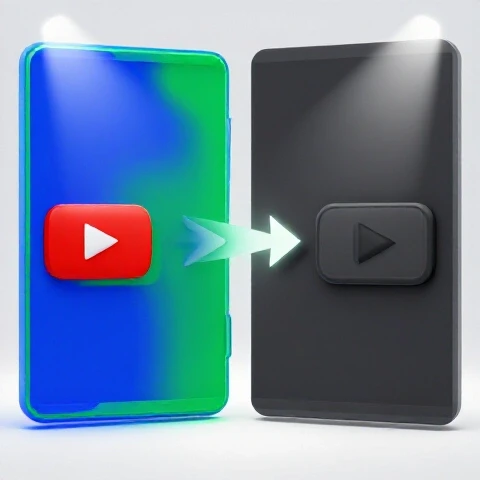
In some cases, the copyright holder may even issue a copyright strike against your channel.
If you receive three copyright strikes, your channel will be terminated.
Yep, gone.
Poof!
All your hard work down the drain.
This is why I call it the “four-nail nightmare” – three strikes and you’re out, plus the sheer anxiety of knowing you’re teetering on the edge!
Now, let’s talk about the different types of strikes and penalties you can face:
- Copyright strikes: As mentioned, three strikes and you’re out.
Copyright strikes can also affect your channel’s monetization and eligibility for certain YouTube programs. - Community Guidelines strikes: These strikes are issued for violating YouTube’s Community Guidelines, which cover a wide range of topics, including hate speech, harassment, and violence.
- Demonetization: If you repeatedly violate YouTube’s policies, your channel may be demonetized, meaning you won’t be able to earn money from ads.
- Channel termination: In severe cases, YouTube may terminate your channel entirely, even if you haven’t received three copyright strikes.
YouTube takes copyright infringement very seriously, so it’s crucial to understand and follow their policies.
You can find the full details on YouTube’s website, but here are some key takeaways:
- Always get permission: If you want to use someone else’s video, music, or other copyrighted material, get their permission first.
- Give credit where it’s due: If you’re using content under a license or with permission, be sure to give proper attribution to the copyright holder.
- Don’t try to game the system: Don’t try to bypass Content ID or remove copyright notices.
This will only get you into more trouble.
Case Studies of Content Misuse: Learning from Others’ Mistakes
Let’s take a look at some real-life examples of YouTubers who faced the consequences of using other creators’ content without permission.
These stories serve as cautionary tales, highlighting the importance of respecting copyright and YouTube’s policies.
Case Study 1: The Music Mashup Meltdown
A popular YouTuber known for creating music mashups found himself in hot water after using copyrighted songs in his videos without obtaining the necessary licenses.
While his mashups were creative and entertaining, they were still considered copyright infringement.
As a result, his videos were demonetized, and he received multiple copyright strikes.
Eventually, his channel was temporarily suspended, costing him thousands of dollars in lost revenue and damaging his reputation.
Lesson Learned: Always obtain the necessary licenses before using copyrighted music in your videos.
There are many royalty-free music libraries available, or you can contact the copyright holders directly to request permission.
Case Study 2: The Reaction Video Rumble
A reaction video creator faced a copyright claim after using a significant portion of a copyrighted movie in one of their videos.
While reaction videos can sometimes fall under fair use, the creator’s use was deemed excessive, as they included long clips of the movie without adding significant commentary or analysis.
As a result, their video was blocked, and they received a copyright strike.
Lesson Learned: When creating reaction videos, keep your use of copyrighted material to a minimum.
Focus on providing your own unique commentary and analysis, and avoid simply re-broadcasting the original content.
Case Study 3: The Fair Use Victory
A YouTuber who created educational videos about video game history successfully defended their use of copyrighted gameplay footage under fair use.
The YouTuber argued that their use was transformative, as they were using the footage to illustrate their points and provide historical context.
The court agreed, ruling that their use was fair use and did not infringe on the copyright holder’s rights.
Lesson Learned: Fair use can be a valid defense against copyright infringement, but it’s not a guaranteed win.
Be prepared to argue your case and provide evidence that your use is transformative, educational, or otherwise beneficial to the public.
These case studies illustrate the importance of understanding copyright law and YouTube’s policies.
While fair use can sometimes protect creators, it’s always best to err on the side of caution and obtain permission before using copyrighted material.
Creative Alternatives to Using Other Videos: Think Outside the Box!
So, you want to create engaging content without risking copyright infringement?
Great!
There are plenty of creative alternatives to using other people’s videos.
Here are a few ideas to get you started:
- Original Content Creation: This is the most obvious solution, but it’s also the most rewarding.
Create your own unique videos, showcasing your talents, expertise, and personality. - Collaboration: Partner with other YouTubers to create collaborative videos.
This is a great way to cross-promote your channels and reach new audiences. - Public Domain Resources: Use content that is in the public domain, meaning it is not protected by copyright.
There are many websites that offer free public domain images, videos, and music. - Creative Commons Licenses: Look for content that is licensed under Creative Commons.
These licenses allow you to use copyrighted material in certain ways, as long as you follow the terms of the license. - Stock Footage and Music: Use stock footage and music from reputable providers.
These providers offer royalty-free content that you can use in your videos without worrying about copyright infringement. - Reaction Videos (with caution): As we discussed earlier, reaction videos can be tricky.
If you’re going to create reaction videos, make sure to keep your use of copyrighted material to a minimum and focus on providing your own unique commentary. - Remix Culture: Remix culture is all about taking existing content and transforming it into something new.
However, it’s important to balance creativity with respect for original creators.
Always give credit where it’s due and obtain permission if necessary.
One of the most exciting trends in content creation is the rise of AI-generated content.
While AI is still in its early stages, it has the potential to revolutionize the way we create videos.
You can use AI to generate scripts, create animations, and even compose music.
However, it’s important to be aware of the copyright implications of using AI-generated content.
Make sure to check the terms of service of the AI platform you’re using and ensure that you have the rights to use the content in your videos.
Navigating the Future of Content Creation on YouTube: What’s Next?
As we look ahead to 2025, it’s clear that copyright enforcement on YouTube will only become more sophisticated.
Technology is constantly evolving, and YouTube is investing heavily in its Content ID system to better detect and prevent copyright infringement.
One potential change we may see is the rise of blockchain-based copyright management systems.
These systems would allow creators to register their content on a blockchain, creating a permanent and immutable record of ownership.
This would make it easier to track and enforce copyright, and it could potentially reduce the number of copyright disputes on YouTube.
Another trend to watch is the increasing use of artificial intelligence in copyright enforcement.
AI can be used to automatically detect copyright infringement, identify infringing content, and issue copyright strikes.
This could make it more difficult for creators to get away with using other people’s content without permission.
What does this mean for YouTubers?
It means that it’s more important than ever to respect copyright and YouTube’s policies.
Don’t rely on loopholes or tricks to try to get away with using other people’s content.
Instead, focus on creating original, engaging content that you can be proud of.
Conclusion: Protect Your Channel, Respect the Rules
We’ve covered a lot of ground in this article, from the basics of copyright law to the future of content creation on YouTube.
The key takeaway is this: respecting content ownership is crucial for your success on YouTube.
Ignoring the rules can lead to copyright strikes, demonetization, and even channel termination – a four-nail nightmare you definitely want to avoid.
Remember, creativity thrives on originality and ethical practices.
By prioritizing original content creation, collaborating with other creators, and utilizing public domain resources, you can build a successful and sustainable YouTube channel without risking copyright infringement.
So, take this knowledge, apply it to your content creation process, and secure your future on YouTube.
Go forth and create amazing videos, but always remember to respect the rights of other creators.
Your channel – and your fingernails – will thank you for it!
Now, go out there and make some awesome, original content!