How to Handle Controversial YouTube Videos for Growth (Case Study)
Future-proofing a YouTube channel often feels like trying to predict the weather in a decade. We focus on the algorithm, the gear, and the trends, but the only truly stable element is the depth of the bond we share with our viewers. Over my nine years of analyzing comment sentiment and tracking loyalty trends, I have learned that the most resilient communities are not built during the easy times. They are forged during moments of high tension, specifically when a piece of content challenges the status quo or sparks a heated debate among the audience.
When I released a video that challenged a common belief in my niche, the reaction was immediate and polarized. My notifications didn’t just buzz; they exploded with a mix of defense, anger, and confusion. For a creator who prioritizes relationship-driven video marketing, this was a terrifying moment. However, by leaning into the friction rather than running from it, I discovered that a divisive moment is actually a powerful tool for community-building. It acts as a filter, separating casual viewers from those who are truly committed to the journey.
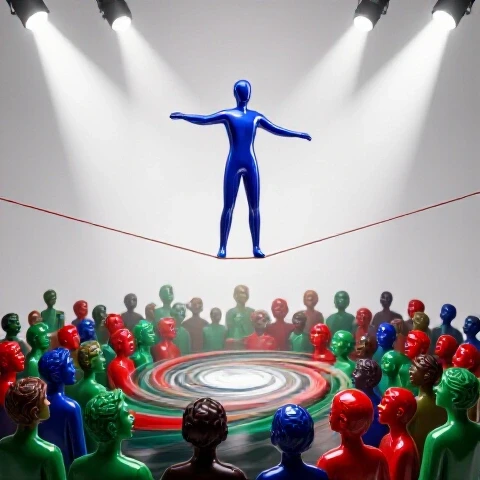
Understanding the Psychology of Audience Friction
Audience friction occurs when a creator’s message conflicts with the existing beliefs or expectations of their viewers. This psychological tension can lead to either a breakdown in trust or a breakthrough in intimacy, depending on how the creator manages the resulting dialogue.
In my experience, when viewers encounter an idea that challenges them, they experience cognitive dissonance. They feel a need to resolve this discomfort, often by leaving a passionate comment. As community-centric creators, our goal isn’t to avoid this discomfort but to facilitate a healthy resolution. This is where ethical community growth happens. By acknowledging the friction and inviting respectful discourse, you signal to your audience that your channel is a safe space for complex ideas. This builds a level of “psychological safety” that simple, agreeable content can never achieve.
Why Viewers React Strongly to Challenging Content
Strong reactions are often a sign of deep investment rather than genuine malice. When a subscriber takes the time to write a long, heated response, they are signaling that they care about the topic and your perspective.
- Identity Protection: Viewers often tie their self-worth to the niches they follow; a challenge to a niche “truth” feels like a personal attack.
- Expectation Misalignment: If you have always been agreeable, a sudden shift into a more critical or nuanced stance can feel like a betrayal of the “unspoken contract” you have with your audience.
- The Need for Agency: High-tension videos often make viewers feel powerless; giving them a way to participate in the conversation restores their sense of control.
Scripting for Nuance to Foster Productive Dialogue
Scripting for engagement during a difficult topic requires a balance of firm conviction and extreme empathy. It is about “steel-manning” the opposing view before you present your own, showing your audience that you have considered their perspective.
I have found that using a “Vulnerability Loop” in my scripts helps de-escalate potential anger. This involves sharing my own initial hesitations or past mistakes related to the topic. When I admit, “I used to think exactly like this, and here is why I changed my mind,” I am no longer talking down to the audience. I am inviting them to walk the path of growth with me. This approach shifts the video from a lecture to a shared exploration, which is the cornerstone of building loyal YouTube subscribers.
On-Camera Techniques for De-escalating Tension
Your body language and tone of voice carry more weight than your words when discussing sensitive subjects. If you look defensive or arrogant, your audience will mirror that energy in the comments.
- The “Living Room” Tone: Speak as if you are sitting across from a friend, not standing on a stage.
- Direct Eye Contact: Maintaining steady, soft eye contact with the lens builds a sense of sincerity and transparency.
- Pause for Reflection: Build in moments of silence after a big point to let the viewer process their emotions before moving to the next segment.
Implementing a Comment Response Framework for High-Tension Moments
A structured approach to moderation is essential when a video sparks a surge of polarized feedback. You cannot respond to everything, but how you respond to a few key comments sets the tone for the entire community.
I use a “Tiered Response System” to manage my comment sections during these periods. This system ensures that I am protecting the community’s health without burning myself out. It focuses on rewarding constructive criticism and firmly but politely handling bad-faith actors. This strategy has consistently led to an engagement lift because it shows the silent majority that the creator is present and active in the “town square” of the comment section.
Comment Response Frameworks for High-Tension Content
| Response Type | Trigger | Goal | Action |
|---|---|---|---|
| The “Heart & Pin” | A thoughtful, even if disagreeing, comment. | Reward constructive friction. | Like the comment and pin it to the top to set the standard. |
| The “Clarification” | A viewer who clearly misunderstood a core point. | Prevent the spread of misinformation. | Briefly restate your intent with a warm, non-defensive tone. |
| The “Boundary Set” | A comment that is disrespectful or aggressive. | Protect the community’s safety. | Hide the user from the channel or delete the comment immediately. |
| The “Deep Dive” | A recurring question or theme in the comments. | Foster long-term loyalty. | Address the theme in a Community Tab post or a follow-up video. |
Reframing Video Marketing After a Polarized Reaction
Marketing a video that has caused a stir requires a shift from “broad appeal” to “community alignment.” If a video is being misunderstood by the wider YouTube audience, you may need to adjust your packaging to better speak to your core fans.
When my controversial video started attracting “outside” viewers who didn’t understand my tone, my sentiment scores plummeted. I realized the thumbnail and title were attracting the wrong crowd. By changing the thumbnail to a more “inside-baseball” style that only my subscribers would appreciate, I slowed the viral growth but significantly improved the quality of the interactions. This is a classic example of prioritizing relationship-driven video marketing over raw view counts.
Tactics for Reframing Content Packaging
- Thumbnail Tone Shift: If the original thumbnail felt “clickbaity,” swap it for a more candid, personal image that emphasizes the human element.
- Title Softening: Use titles that pose a question to the community rather than making a definitive, provocative statement.
- Community Tab Context: Use a poll or a long-form post to explain the “why” behind the video, giving your loyal fans the context they need to defend you.
Measuring Long-Term Loyalty and Community Resilience
How do you know if a difficult video actually helped your community? You have to look past the initial “spike” of views and dislikes and focus on longitudinal data.
In my analysis, a successful “friction” video will often show a temporary dip in subscriber growth or a slight increase in unsubscribes. However, the viewers who remain typically show higher repeat-viewer rates and are more likely to join memberships or engage with the Community Tab. We call this “Community Distillation.” You are boiling away the shallow connections to leave behind a more concentrated, loyal core.
Retention and Loyalty Metrics Comparison
| Metric | Short-Term Viral Growth | Long-Term Community Loyalty |
|---|---|---|
| Comment Depth | Short, repetitive (“Great video!”, “I hate this”). | Long, nuanced, and personal anecdotes. |
| Repeat Viewer Rate | Low; mostly new viewers who leave quickly. | High; core audience returns for the “after-show” discussion. |
| Sentiment Shift | Highly volatile; swings between extremes. | Stabilizes into “Critical Support” (honest but kind). |
| Community Tab Participation | Low; viewers don’t care about the creator. | High; viewers want to influence future content. |
| Subscriber Churn | Low initially, but high over 6 months. | High initially (the “filter”), but very low over 6 months. |
Turning Negative Sentiment into Active Participation
Negative sentiment is often just unchanneled energy. If you can give a disgruntled viewer a constructive way to contribute, they often become your most vocal advocates.
One strategy I have used successfully is the “Feedback Loop Poll.” After a video receives a lot of pushback, I go to the Community Tab and ask, “I see a lot of you disagreed with Point B. What did I miss?” This does two things: it validates the audience’s feelings and it provides me with “free” research for my next video. When the audience sees their feedback reflected in the next upload, their loyalty to the channel becomes almost unshakeable. They feel like they are co-creating the channel with you.
Scaling Community Management Without Burnout
Managing a community during a period of high tension is emotionally taxing. You cannot be in the comments 24/7 without losing your creative spark.
To scale my efforts, I lean on a mix of AI moderation tools and a “Batching” schedule. I set specific times—usually 30 minutes in the morning and 30 minutes in the evening—to engage with comments. Outside of those times, I stay away from the studio dashboard. I also use the “Blocked Words” list in YouTube Studio to automatically filter out specific insults or toxic phrases, ensuring that when I do enter the comment section, I am seeing the constructive (even if critical) feedback that actually matters.
Tools for Healthier Community Monitoring
- YouTube Studio Filter: Use the “I haven’t responded” and “Contains questions” filters to find the most meaningful interactions quickly.
- Sentiment Spreadsheets: For major uploads, I manually track the first 100 comments to see if the sentiment is “Positive,” “Constructive,” or “Toxic.”
- Notion Community Tracker: I keep a log of “Top Contributors”—viewers who consistently leave high-quality comments—so I can prioritize replying to them.
- Community Tab Templates: Have a set of “Response Polls” ready to go so you don’t have to write them from scratch when emotions are high.
A Roadmap for Navigating Future Content Friction
Building a resilient community isn’t about avoiding mistakes; it’s about how you handle the fallout when things get messy.
- Step 1: The 24-Hour Rule. When a video starts getting heat, do not respond immediately. Let your own emotions settle so you can respond with logic and empathy.
- Step 2: Audit the Sentiment. Is the anger coming from your core fans or from “tourists” who found the video through search or suggestions? Prioritize the fans.
- Step 3: Address the Elephant. Use a Community Tab post or a short video to acknowledge the tension. Transparency is the ultimate antidote to a PR crisis.
- Step 4: Iterate and Integrate. Take the valid criticisms and mention them in your next video. This closes the “Loyalty Loop” and proves you are listening.
By following this path, you transform a potentially damaging moment into a cornerstone of your channel’s history. You prove to your audience that you value their voice more than your own ego. This is the essence of being a community-centric creator. It is not about being perfect; it is about being present, even when it’s uncomfortable.
Frequently Asked Questions
How do I tell the difference between “constructive friction” and “toxic negativity”? Constructive friction usually focuses on the ideas presented in the video and uses “I” statements (e.g., “I disagree because…”). Toxic negativity focuses on your character or appearance and uses “You” statements (e.g., “You are an idiot”). In my experience, you should engage with the former and immediately hide the latter to protect your mental health and the community’s vibe.
What should I do if my core audience is the one reacting negatively? This is a sign of a “Values Mismatch.” You need to stop and listen. Use the Community Tab to run a poll asking for their specific concerns. If you realize you made a genuine mistake, apologize sincerely. If it’s a matter of a different opinion, explain your “why” more deeply. Your core audience wants to understand you, not just watch you.
Will a controversial video hurt my standing with the YouTube algorithm? Actually, the algorithm often sees “friction” as high engagement. However, if the negative sentiment leads to a massive drop in “Average View Duration” or a high “Unsubscribe” rate, the algorithm might stop suggesting that specific video. The key is to keep your core audience watching by addressing their concerns in the comments and Community Tab.
How do I stay motivated to create when the comments are full of disagreement? I remind myself of the “90-9-1 Rule.” 90% of viewers are silent, 9% engage occasionally, and 1% are highly vocal. Often, the “firestorm” is just a handful of people in that 1%. Focus on the data—are your total views and retention still healthy? If so, the silent majority is likely still with you.
Is it better to delete a video that is causing too much trouble? Rarely. Deleting a video often looks like you are hiding or “getting caught.” Unless the video contains factual errors that could cause harm, it is usually better to leave it up and add a “Pinned Comment” or a “Correction Overlay” explaining your updated perspective. This shows integrity and growth.
How can I prepare my community for a video I know will be divisive? “Pre-frame” the content. A few days before the upload, post on the Community Tab saying, “I’m working on a video that explores a tough topic. I know we might not all agree, but I’m looking forward to a respectful debate.” This sets the ground rules for the conversation before it even begins.
What are the best metrics to track after a high-tension upload? Look at your “Return Viewer” count in YouTube Analytics. If that number remains steady or grows, your community is resilient. Also, track the “Member Sign-up” rate. Surprisingly, I’ve seen memberships spike after a controversial video because the most loyal fans want to “vote” for your right to speak your mind.
How do I handle the “fear of hitting publish” on the next video? The “Next-Video Pivot” is crucial. Make your very next upload something that is “classic” for your channel—something your audience loves and expects. This provides a “palate cleanser” and reminds everyone why they subscribed in the first place, lowering the collective blood pressure of the community.
(This article was written by one of our staff writers, Derek Langford. Visit our Meet the Team page to learn more about the author and their expertise.)