How to Decide Your YouTube Upload Frequency for Growth (Guide)
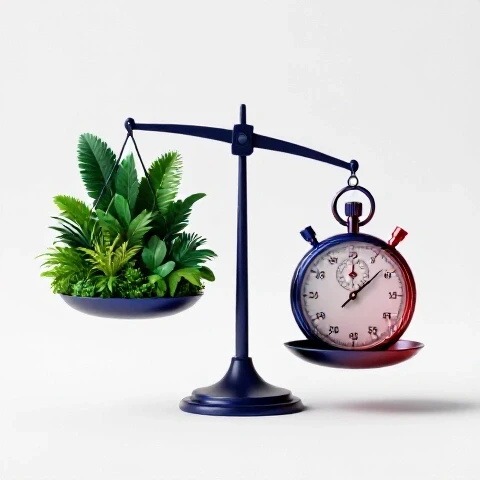
For over a decade, I have navigated the shifting tides of online video. In that time, I have learned that the most valuable asset a creator possesses is not their gear or their subscriber count, but their durability. Staying in the game for 12 years required me to look closely at my habits and realize that a pace that breaks you is not a pace worth keeping.
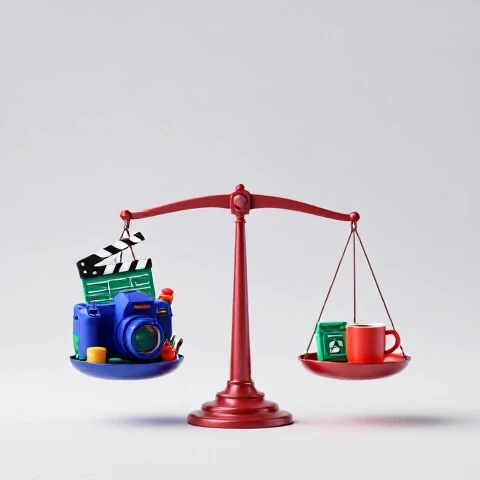
The decision to move toward a more sustainable posting rhythm came from a place of necessity. I was tracking my energy levels and realized my “output” was high, but my “life balance” was in the red. I was missing bedtime stories and feeling a fog of exhaustion that no amount of coffee could clear. Changing how often I show up on screen was the only way to ensure I could keep showing up at all.
Assessing the Need for a Strategic Shift in Content Cadence
Evaluating your current production demands is the first step toward reclaiming your time and mental clarity. It involves looking at the gap between your creative goals and your actual capacity to meet them without sacrificing your health.
Many creators fall into the trap of thinking more is always better. However, when I looked at my own metrics, I saw that my most successful videos were often the ones where I had the mental space to be truly creative. When I rushed to meet an arbitrary deadline, the quality suffered, and so did my connection with my audience.
- Signs you need a change:
- You feel a sense of dread when looking at your filming equipment.
- Family members mention they rarely see you without a screen in front of your face.
- Your physical health, such as sleep quality or posture, is visibly declining.
- The “joy” of creation has been replaced by a “checklist” mentality.
| Metric | Unsustainable Schedule | Sustainable Production Pace |
|---|---|---|
| Weekly Work Hours | 60+ hours (including late nights) | 25-35 hours (structured blocks) |
| Family Engagement | Fragmented and distracted | Present and phone-free |
| Creative Energy | Chronic fatigue and “brain fog” | High focus during work hours |
| Content Quality | Rushed, repetitive, or derivative | Thoughtful, high-value, and unique |
| Burnout Risk | Extremely high (imminent) | Low (managed and monitored) |
Understanding the Impact of Quality Over Volume on Channel Growth
Shifting your content delivery pace requires a mindset shift regarding how the platform rewards your work. It is about moving away from the “hamster wheel” of daily uploads toward a strategy that prioritizes viewer satisfaction and long-term retention.
Interestingly, the algorithm often rewards videos that keep people on the platform longer, regardless of how frequently you post. When I slowed down, I found that I could spend more time on research and storytelling. This led to higher “Average View Duration” (AVD) metrics, which signaled to the platform that my content was worth promoting to new audiences.
- Key Benefits of a Slower Pace:
- Increased time for deep research and high-quality scripting.
- Better production value (lighting, sound, and editing).
- Reduced “viewer fatigue” from your most loyal fans.
- More mental bandwidth to engage with your community in the comments.
Implementing Energy-Aware Scheduling for Creators
Energy-aware scheduling is the practice of matching your most demanding creative tasks with the times of day when your mental focus is at its peak. This system moves away from a rigid 9-to-5 mindset and embraces the natural rhythms of a busy life.
I started tracking my energy levels on a scale of 1 to 10 throughout the day. I discovered that my “Deep Work” window was between 9:00 AM and 11:30 AM. By moving my scriptwriting to this block and saving administrative tasks for my afternoon “slump,” I reduced my total production time by nearly 20 percent.
- Identify your Peak Window: Find the 2-3 hours where you are most alert.
- Protect that Window: No emails, no social media, and no chores during this time.
- Match Tasks to Energy: Scripting and filming require high energy; thumbnail design and SEO require medium energy; responding to comments requires low energy.
- Build in Buffer Time: Always assume a task will take 20% longer than planned to account for family interruptions.
| Time Block | Task Type | Energy Requirement | Family/Life Integration |
|---|---|---|---|
| 6:00 AM – 8:00 AM | Personal/Family | Medium | School prep and breakfast |
| 9:00 AM – 11:30 AM | Deep Creative | High | Kids at school/Day job focus |
| 1:00 PM – 3:00 PM | Production/Admin | Medium | Quiet work time |
| 4:00 PM – 8:00 PM | Family Time | Low | Strictly no-work zone |
| 8:30 PM – 9:30 PM | Light Planning | Low | Preparing for the next day |
Streamlining Workflows to Support a New Delivery Pace
Efficiency is the bridge between a chaotic schedule and a balanced life. By creating repeatable systems and using modern tools, you can maintain a professional presence without the constant pressure of a ticking clock.
Building on this, I adopted a “modular” approach to video creation. I created templates for my scripts and a standardized “look” for my edits. This meant I wasn’t starting from scratch every time I sat down to work. For a creator juggling a day job and kids, these small efficiencies add up to hours of saved time every week.
- Production Shortcuts:
- Template Everything: Use a standard project file in your editing software with your intros, outros, and music already loaded.
- Batching Tasks: Film three videos’ worth of “A-roll” in one session to save on setup and teardown time.
- AI Assistance: Use AI tools for initial transcriptions or to generate title ideas, but always add your personal touch.
- Asset Libraries: Keep a folder of frequently used b-roll, sound effects, and graphics for quick access.
Setting Non-Negotiable Boundaries to Prevent Burnout
Boundaries are the fences we build around our personal lives to keep work from encroaching on our well-being. For creators, especially those working from home, the line between “life” and “content” can become dangerously thin.
In my experience, the guilt of not working is often worse than the work itself. I had to learn to tell myself that being a “good creator” also meant being a “good father” and “good partner.” I set a hard “digital sunset” at 8:00 PM. Once the sun goes down, the studio door is locked, and my phone is placed in a charging station in the kitchen.
- Warning Signs vs. Recovery Indicators:
- Warning: Feeling resentful toward your audience or their requests.
- Recovery: Feeling genuine excitement to share a new idea.
- Warning: Constant physical tension in your shoulders or neck.
- Recovery: Sleeping through the night without thinking about thumbnails.
- Warning: Checking your analytics more than five times a day.
- Recovery: Checking analytics once a week to look at broad trends.
Sustainable Marketing Strategies for the Balanced Creator
Marketing your videos shouldn’t feel like a second full-time job. By focusing on a “less but better” approach, you can ensure your content reaches the right people without spending all day on social media.
Instead of trying to be everywhere at once, I focused on making my YouTube videos “search-friendly” from the start. This allows the platform’s search engine to do the heavy lifting for me over months and years. A well-optimized video continues to gain views while I am at a soccer game or sleeping, which is the ultimate form of passive productivity.
- Focus on Evergreen Topics: Create content that remains relevant for years, not just days.
- Optimize for Search: Spend an extra 30 minutes on your title and description to ensure long-term discovery.
- Community Tab Engagement: Use simple polls or photos to stay connected with your audience between video uploads.
- Email List Building: Own your audience so you aren’t entirely dependent on the algorithm’s whims.
Long-Term Lifestyle Integration and Preventing Relapse
The goal of adjusting your schedule is not a temporary fix but a permanent lifestyle change. It requires constant monitoring of your internal “fuel gauge” to ensure you don’t slip back into old, destructive habits.
As a result of these changes, my 12-month sustainability metrics improved drastically. My subscriber growth remained steady, but my “stress incidents” dropped by 70 percent. I found that I was more creative because I wasn’t constantly in “survival mode.” Consistency is not about how fast you go; it is about how long you can stay on the path.
- Monthly Check-in Questions:
- Am I still enjoying the process of making videos?
- Have I missed more than two important family events this month due to work?
- Is my “Deep Work” window still being protected?
- Does my current pace feel like something I could do for another five years?
Frequently Asked Questions
Will my channel die if I stop posting as frequently? In my experience and based on platform trends, the answer is usually no. While you might see a slight dip in immediate views, the long-term health of your channel depends on quality. Most viewers would rather have one excellent video every two weeks than three mediocre videos every week. The algorithm follows the audience, and the audience follows value.
How do I tell my audience that I am changing my schedule? Transparency is your best friend here. I found that being honest with my community actually strengthened our bond. You don’t need to over-explain; a simple “I’m focusing on higher-quality content to better serve you and my family” is usually met with overwhelming support. Your true fans want you to be healthy and happy.
What if I feel guilty when I am not working on a video? This is a common struggle for creators aged 28–50 who are used to a corporate “hustle” mentality. Remind yourself that rest is a productive activity. Without rest, your brain cannot make the creative connections needed for great content. Think of it like a professional athlete; they don’t train 24/7 because they know their muscles need time to recover to perform at their peak.
How can I manage my time if I have a full-time job and kids? The key is “micro-batching.” You might not have a four-hour block to film, but you might have 20 minutes to outline a script during your lunch break. By breaking the production process into tiny, manageable steps, you can make progress every day without needing a massive amount of “free time.”
Does the algorithm “punish” creators for taking breaks? There is no evidence that the algorithm has a “memory” that punishes you for a slower pace. Each video is judged on its own merits—click-through rate and retention. In fact, taking a break often leads to better ideas, which leads to better metrics when you do return.
What tools are best for tracking my productivity and energy? I recommend simple tools like a paper planner or basic apps like Notion or Google Calendar. The goal is to see where your time is going. For energy tracking, a simple spreadsheet where you mark your focus levels (1-10) at three points during the day for one week can provide eye-opening data about your natural rhythms.
How do I handle the fear of “falling behind” other creators? Comparison is the thief of joy and the fuel for burnout. Remember that everyone’s life circumstances are different. A 22-year-old with no kids has a different “capacity” than a 40-year-old with a mortgage and three children. Your only competition is your own past self. Focus on building a “business of one” that fits your life.
Can I still grow my channel with a slower upload frequency? Absolutely. Many of the largest creators on the platform only post once a month or even less. They focus on “event” content—videos that are so good they become must-watch TV for their niche. By raising the stakes for each video, you can often achieve more growth with less total effort.
What should I do if I feel burnout starting to return? The moment you feel that familiar dread, stop. Take a “maintenance week” where you do the bare minimum—perhaps just a community post—and spend that time away from screens. It is much easier to recover from “pre-burnout” than it is to climb out of a total mental collapse. Listen to your body; it knows the truth before your mind does.
How do I set boundaries with my family about my “work time”? Communication and consistency are key. I use a visual signal, like a “Do Not Disturb” sign on my door or wearing specific headphones. I also make sure that when I am “off,” I am truly off. If you respect your family time, they are much more likely to respect your work time.
Is it worth using AI to speed up my production? AI can be a great assistant for things like generating captions, brainstorming titles, or organizing research notes. However, don’t let it replace your unique voice. Use it to handle the “drudge work” so you have more energy for the creative decisions that only a human can make.
How do I measure success if it’s not by my upload count? Shift your metrics to “satisfaction” and “efficiency.” Ask yourself: “Did I enjoy making this?” and “Did I produce this without ruining my weekend?” Over time, you will find that these internal metrics are much more predictive of long-term success than any number in your YouTube Studio dashboard.
(This article was written by one of our staff writers, Benjamin Cole. Visit our Meet the Team page to learn more about the author and their expertise.)